Automating Crypto Website API Pull Using Python
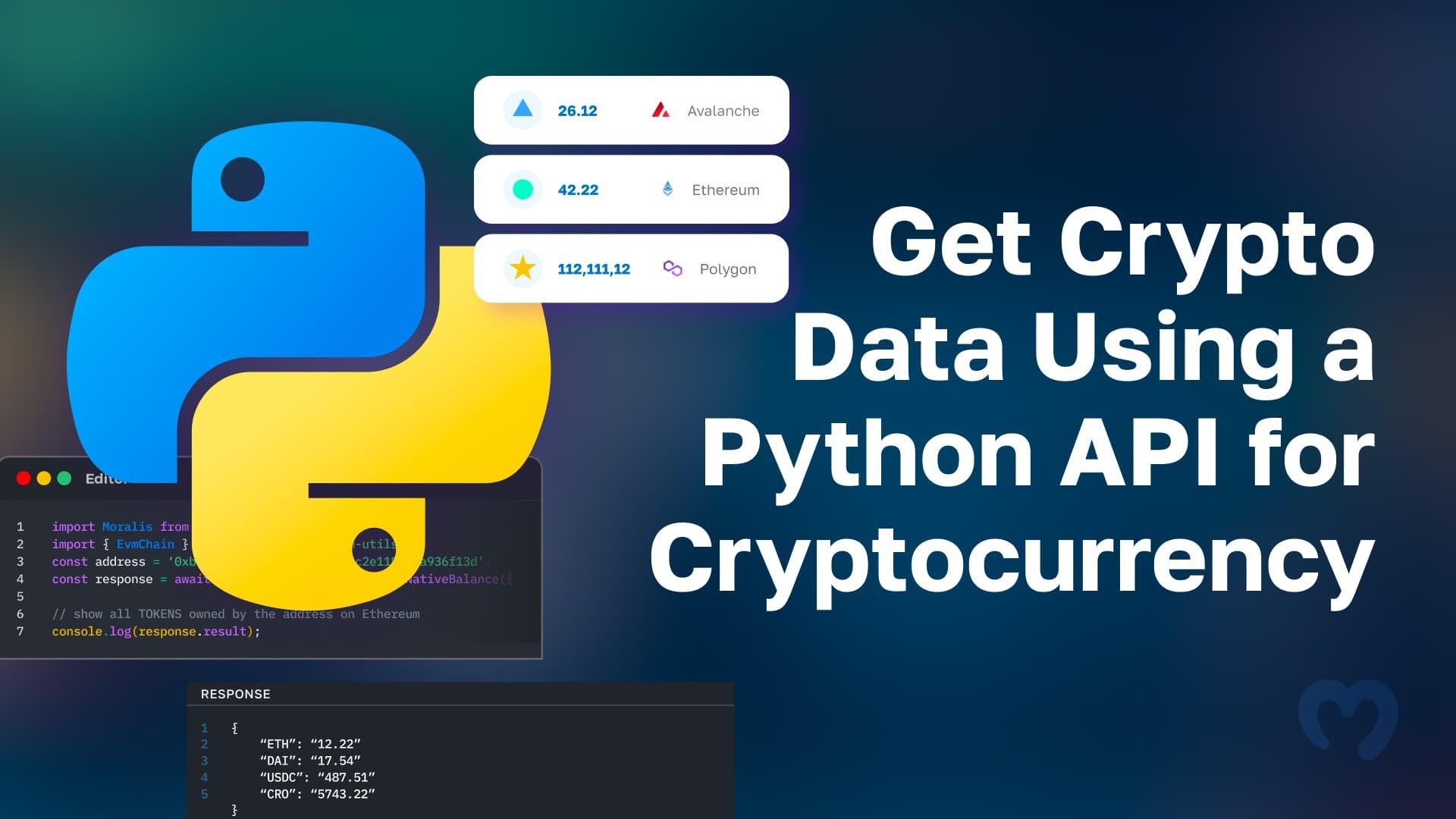
Automating the extraction of cryptocurrency data from APIs using Python to enable real-time data analysis and integration.

This trend continues to gain momentum as organizations are increasingly enabling non-technical employees to access, analyze, and make decisions based on data. This empowerment allows a broader range of stakeholders to derive insights, fostering a more data-driven culture across organizations.
Generative AI is becoming a significant focus, especially in its ability to create new data, content, and other outputs that mimic human creativity. While it offers great potential for innovation, it also raises ethical concerns regarding privacy, content authenticity, and misuse.
Quantum computing is poised to revolutionize data analytics by solving complex problems much faster than classical computers. This technology is expected to give organizations a competitive edge by allowing them to tackle analytical challenges that were previously infeasible.
There is a growing intersection between data analytics and sustainability. Companies are leveraging analytics to measure and optimize their environmental impact and to make responsible decisions that align with broader social and environmental goals.
This decentralized approach to data management focuses on making data more accessible and consumable across organizations. Companies like Airbnb and Netflix are adopting this architecture to improve data management and decision-making capabilities.
Continuous intelligence involves real-time data processing and analysis to support immediate decision-making. This approach allows businesses to respond quickly to opportunities and challenges, making it crucial for industries that require agility and quick insights, such as finance and healthcare.
These trends reflect the ongoing evolution of the data analytics landscape, where the integration of advanced technologies, ethical considerations, and a focus on sustainability are shaping the future of how organizations manage and utilize data.
Growing in popularity, especially in areas like fraud detection and recommendation systems, graph analytics allows for the identification of complex connections within data, providing deeper insights and predictions that are crucial in network analysis.
As AI becomes more complex, there's a rising need for transparency in how AI models make decisions. XAI aims to make AI processes more understandable and accountable, which is essential for trust and reliability in AI-driven analytics.
This trend is making waves by enabling the creation of new data or content based on existing patterns. It holds potential in creative industries but also presents ethical challenges, such as concerns over privacy and content misuse.
Similar to DevOps in software development, DataOps focuses on collaboration and automation in data management processes. It helps in streamlining data pipelines, ensuring reliable data access for analysis, and supporting more agile decision-making.
Automating the extraction of cryptocurrency data from APIs using Python to enable real-time data analysis and integration.

Creating an interactive and visual dashboard in Excel to track and analyze key metrics and data.

Performing in-depth data exploration and analysis using SQL queries to uncover insights from large datasets.
Contact us for any inquiries or assistance.I am here to help with your needs, offering support and expertise to guide you through your projects and challenges.